Modelling With Texture: How to Add Detail and Depth to Clay
Posted on - 4th December 2025
Creating something that feels alive under your fingertips is an exhilarating creative experience. Texture is one of the most exciting ways to transform a simple clay project, whether you’re creating subtle ridges that catch glaze or bold, tactile motifs that invite touch. Textured ceramics allow you to express your personality, craftsmanship, and flair. Adding texture is wonderfully accessible, with a few simple techniques able to make a huge difference regardless of your skill level.
In this guide, we’ll explore clay texture techniques that are ideal for budding beginners and seasoned creators, take a look at useful modelling tools and stamps, and walk through which clay bodies respond best to surface detailing.
Why Add Texture to Pottery Projects?
Adding texture can turn an otherwise ordinary surface into a space that tells a story. A lightly impressed linen weave can make a mug feel rustic and homely, carved geometric lines can give a vase a contemporary edge, and organic impressions can make a platter feel like it was gathered straight from the forest floor.
Incorporating textures into your clay provides some key benefits:
- Enhanced visual interest: Texture helps break up flat surfaces, adding shadow, contrast, and depth that draw the eye.
- Better glaze behaviour: Many glazes pool in carved or impressed areas, creating tonal variation that can be exceptionally beautiful, while others naturally highlight raised areas.
- Adding a unique character: Textured ceramics proudly show a handmade approach, whether through carved marks, irregularities or layered design.
- Improved grip: Practical pieces that may receive everyday use, like mugs and vases, can often feel better with tactile detailing.
Texture isn’t just added as decoration - it can also be added as a functional and aesthetic upgrade.
How to Add Texture When Modelling
There are countless surface design techniques that creators can explore, with each offering a unique flavour - from refined patterns to organic impressions. Tools offer precision, but can also invite play. One minute you’re carving a clean chevron, and the next you’re accidentally inventing a new signature pattern.
Using Tools to Add Texture
Specialist tools can make adding texture to projects easier when you’re looking for precision, consistency and clean lines. Tools can be a potter’s best friend, and at Potclays, we stock a vast selection of tools and accessories to add to your kit.
Modelling Tools
Wooden or metal modelling tool sets allow users to carve, scrape and shape clay with accuracy. Use loop tools to remove clay for bold grooves, metal ribs for smooth gradients or pointed tools for finer detail.
Pattern Rollers and Tools
Wooden rollers and similar hand tools are well-loved for adding beautifully designed, patterned texture to projects. MKM Pottery Tools are excellent choices for creating repeated motifs, spirals, florals and geometric patterning with ease.
Rolling Pins
Textured rolling pins, whether patterned or smooth, are a brilliant way to add all-over surface treatment quickly. We provide a range of rolling pins at Potclays.
Using Stamps to Add Texture
Stamps are a delightful choice for quickly imprinting repeatable patterns, icons, or motifs onto a clay body. Whether you’ve created and carved your own stamps or opt for premade ones, they are ideal for making consistent patterns.
The trick to success when using stamps is to apply even pressure and work on clay that’s at the perfect consistency. Too soft, and the clay may distort; too firm, and you may not get the impression you desire. For extra depth, try to double-stamp - pressing again at a slight angle - or stamp over slip for layered effects.
Stamped texture works well for:
- Repeated borders
- Logos or maker’s marks
- Symbols and festive icons
- Floral or geometric repeated patterns
- Tile or slab work
Using Found Materials to Add Texture
Texture is available everywhere; you just have to look close enough to notice it. Some of the most beautiful textural impressions can come from materials you already have at home or nearby. Found materials are fantastic for beginners, encouraging experimentation and yielding wonderfully organic textures. Sometimes the best patterns come from your personal garden or the bottom of a toolbox.
Here are a few favourites:
Natural Materials
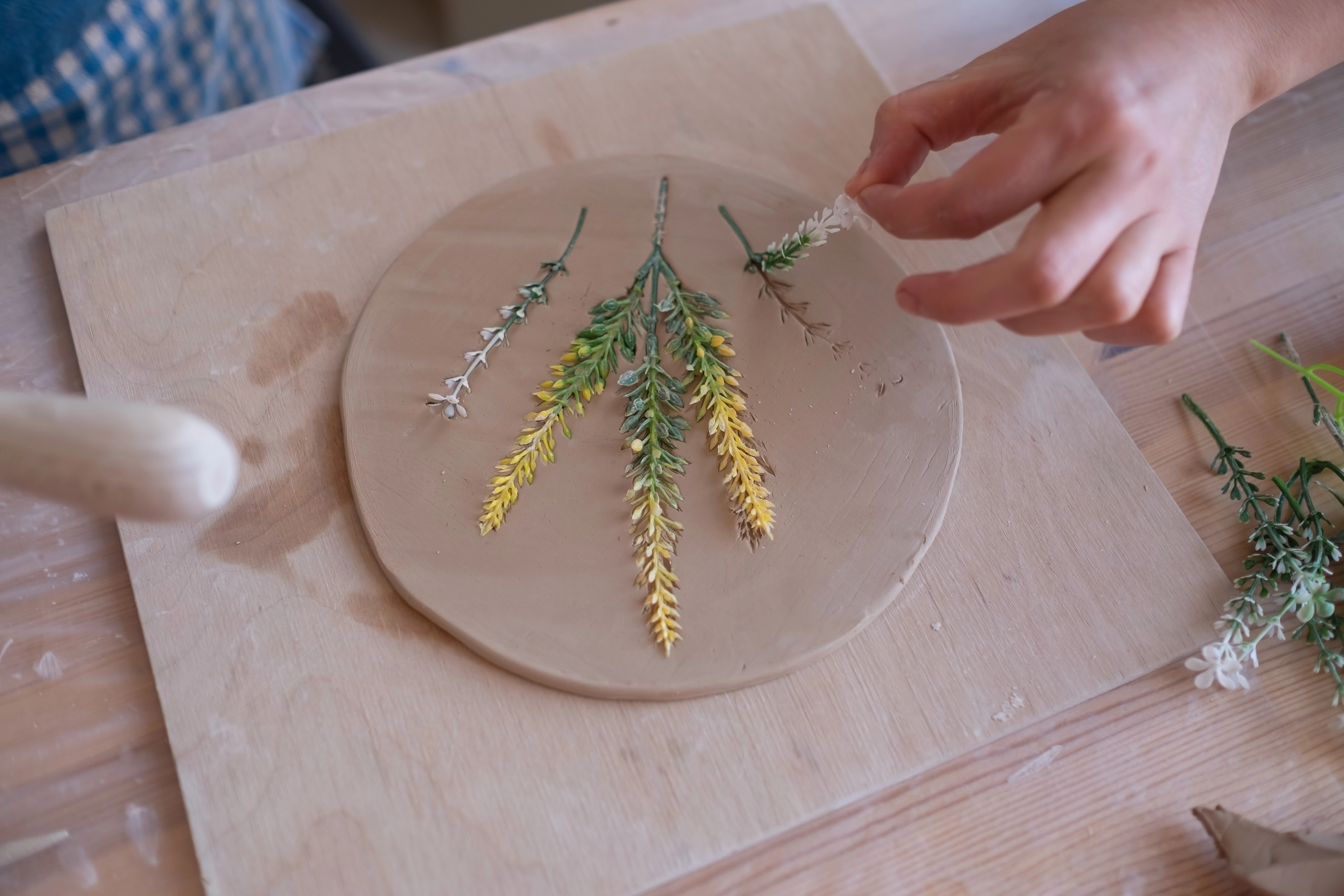
Leaves, pine cones, seed pods, acorns, bark, shells and stones can all be pressed gently into damp clay to capture fine details.
Household Items
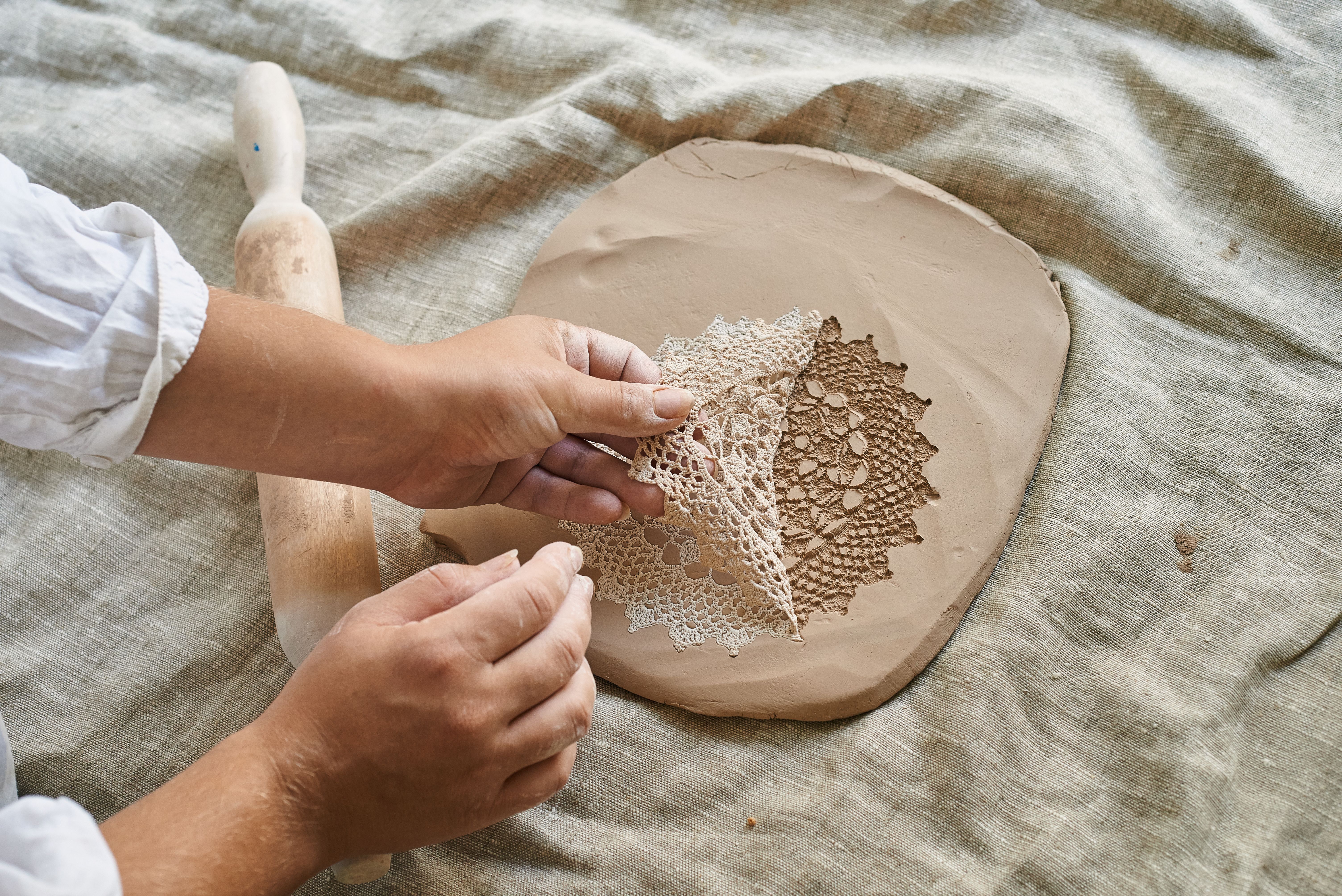
Hessian, lace, doilies, rolling pins wrapped in material, mesh bags or even cutlery can create distinctive, surprising patterns that are ideal for experimental or rustic ceramics.
Workshop Objects
Scrap wood, metal washers, screws, bolts and textured grips can all make excellent improvised stamps for your project.
Types of Projects That Can Benefit from Texture
Practically any project can incorporate texture, but some forms truly come to life with the addition of detailed surface work. Texture doesn’t just add decorative elements - it can transform how a project looks, feels and interacts within its environment.
Vases and Vessels
Long, sweeping forms offer the perfect canvas for carving, ribbing, stamping and rolling. Even shallow markings can provide visually striking additions, thanks to the project's size, allowing the light to catch the texture from several angles.
Mugs and Cups
From thumb rests to carved handles or stamped panels, mugs can benefit from tactile additions that make them easier or more comfortable to hold. Mugs and cups can also provide excellent test pieces for glazing textured work.
Homeware
Homeware pieces like trays, plates, bowls and tiles lend themselves beautifully to rolled impressions, stamped motifs and botanical textures, which can make plates feel nature-inspired. Geometric imprints can suit more modern interiors.
The Best Clays for Adding Texture
Different clays respond differently to textural additions, with some holding crisp detail and others producing softer edges. The key is often timing, regardless of the choice, as most texture work is best applied when the clay is between soft and leather-hard.
- Stoneware Clay: Stoneware clay is a favourite for textured ceramics. It is durable, forgiving and capable of holding clean, defined impressions. Stoneware also glazes well, further highlighting texture.
- Earthenware Clay: Softer, providing an excellent choice for beginners. Earthenware readily accepts texture, with patterns tending to be slightly softer but still wonderfully expressive.
- Porcelain Clay: Porcelain is trickier to texture, but it can be stunning. It captures ultra-fine details which are perfect for lace or botanical impressions, but bodies dry fast, so care needs to be taken.
- Air Dry Clay: Excellent for small decorative projects; air-dry clay stamps beautifully but is more fragile long-term. It’s ideal for ornaments, tiles and crafts.
Delve into Adding Depth with Potclays
Texture brings life, character, and artistry to your work, turning simple ceramic forms into unique pieces rich with pattern and depth. Whether you’re exploring intricate texture tools or getting creative with the contents of your garden, there are limitless possibilities when it comes to adding decorative detail.
Ready to explore new clay texture techniques or upgrade your toolkit? The Potclays team is always happy to help. Get in touch for further assistance, and start adding depth to your pottery in some of the most delightful ways - one impression at a time.